


JILICC | Exploring the Captivating World of Simulation Games: A Dive into JILICC
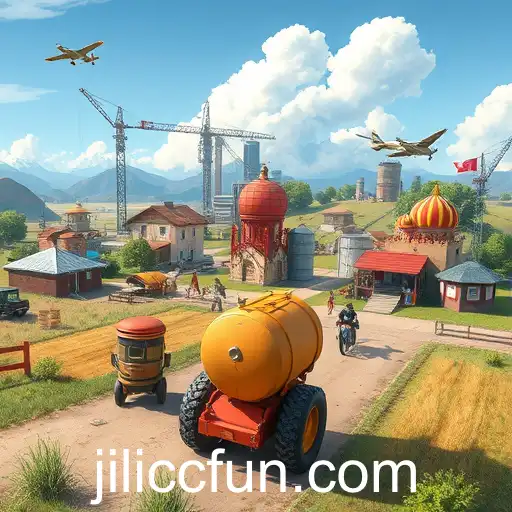
Simulation games have become a staple in the gaming industry, offering players the chance to experience and control complex systems in a virtual environment. These games range across various scenarios, allowing gamers to simulate real-world activities and manage intricate processes from the comfort of their screens. The allure of simulation lies in its ability to combine entertainment with educational experiences, fostering both creativity and strategic thinking.
At the core of simulation games is the concept of modeling reality. Players can engage in diverse scenarios that replicate real-life activities, such as city building, farming, vehicle management, and even life simulation. Titles like SimCity, The Sims, and Farming Simulator have reached widespread acclaim, drawing in audiences with their intricate details and expansive gameplay features.
In this vibrant landscape of simulation games, "JILICC" emerges as a unique keyword that enthusiasts argue encapsulates the spirit of the genre. While it's not a specific title within the gaming world, JILICC represents the innovative essence of simulation games that captivate audiences globally. It is a term that symbolizes the intersection of joy, interaction, learning, immersion, creativity, and control, which are the hallmarks of successful simulation experiences.
The joy derived from simulation games is often rooted in the player's ability to interact with, and influence, the environment. Whether it's constructing elaborate cities or managing efficiencies in resource harvesting, these games provide a satisfying sense of agency. Players are not just passive participants but active creators in a dynamic world.
Moreover, simulation games are prized for their educational value. Many gamers report gaining insights into the processes they simulate, such as understanding the complexities of urban planning or the agricultural cycles. This aspect of learning is seamlessly woven into gameplay, making it both informative and entertaining.
Immersion in a well-executed simulation game is another key factor drawing players into prolonged engagement. The realistic graphics, sound design, and detailed mechanics allow players to fully immerse themselves in the game world, often leading to a highly addictive experience.
Creativity is a significant component of simulation games, encouraging players to think outside the box and implement unique strategies to achieve objectives. This is where JILICC shines as an expression of creativity within the mundane processes simulated in these games.
Lastly, simulation games offer a unique form of control that is not easily attainable in real life. It allows players to experiment with different scenarios and consequences in a safe virtual environment, fostering a deeper appreciation for the role of decision-making.
In conclusion, simulation games continue to expand and innovate, capturing the imaginations of players around the world. JILICC may serve as a conceptual keyword, yet it represents the multifaceted allure of simulation games. As this genre evolves, it will undoubtedly continue to engage gaming communities with its unique blend of educational insight and interactive entertainment.
